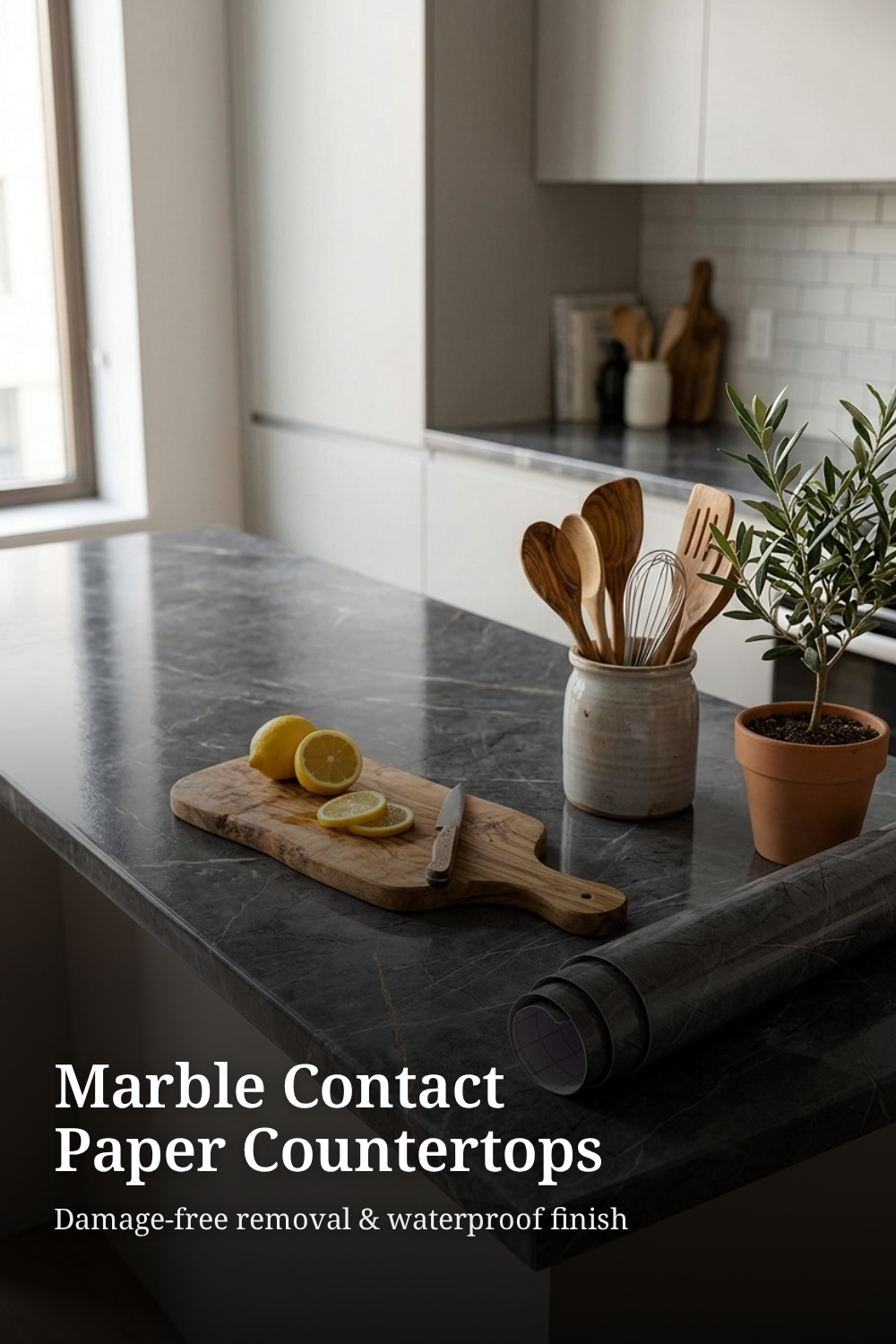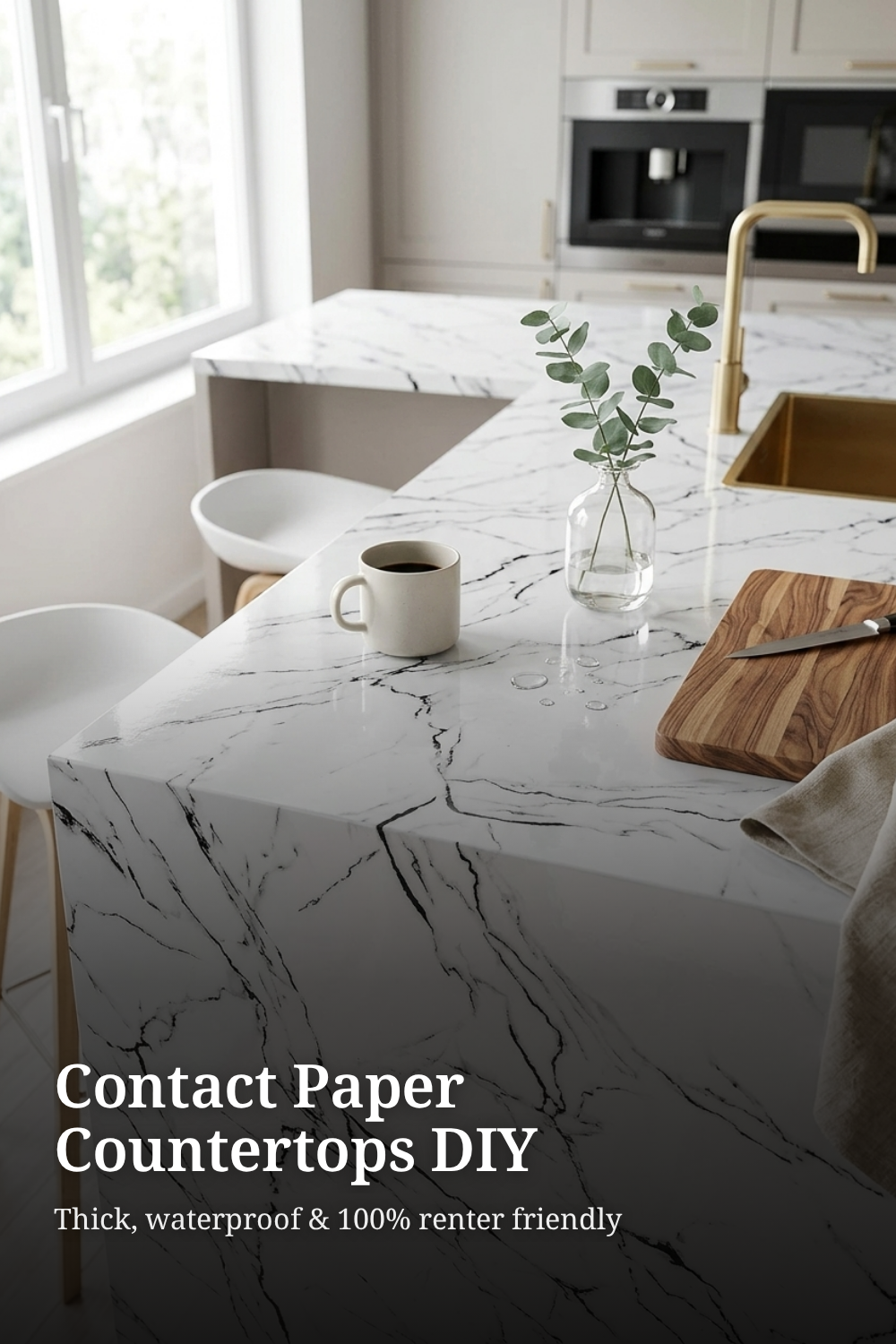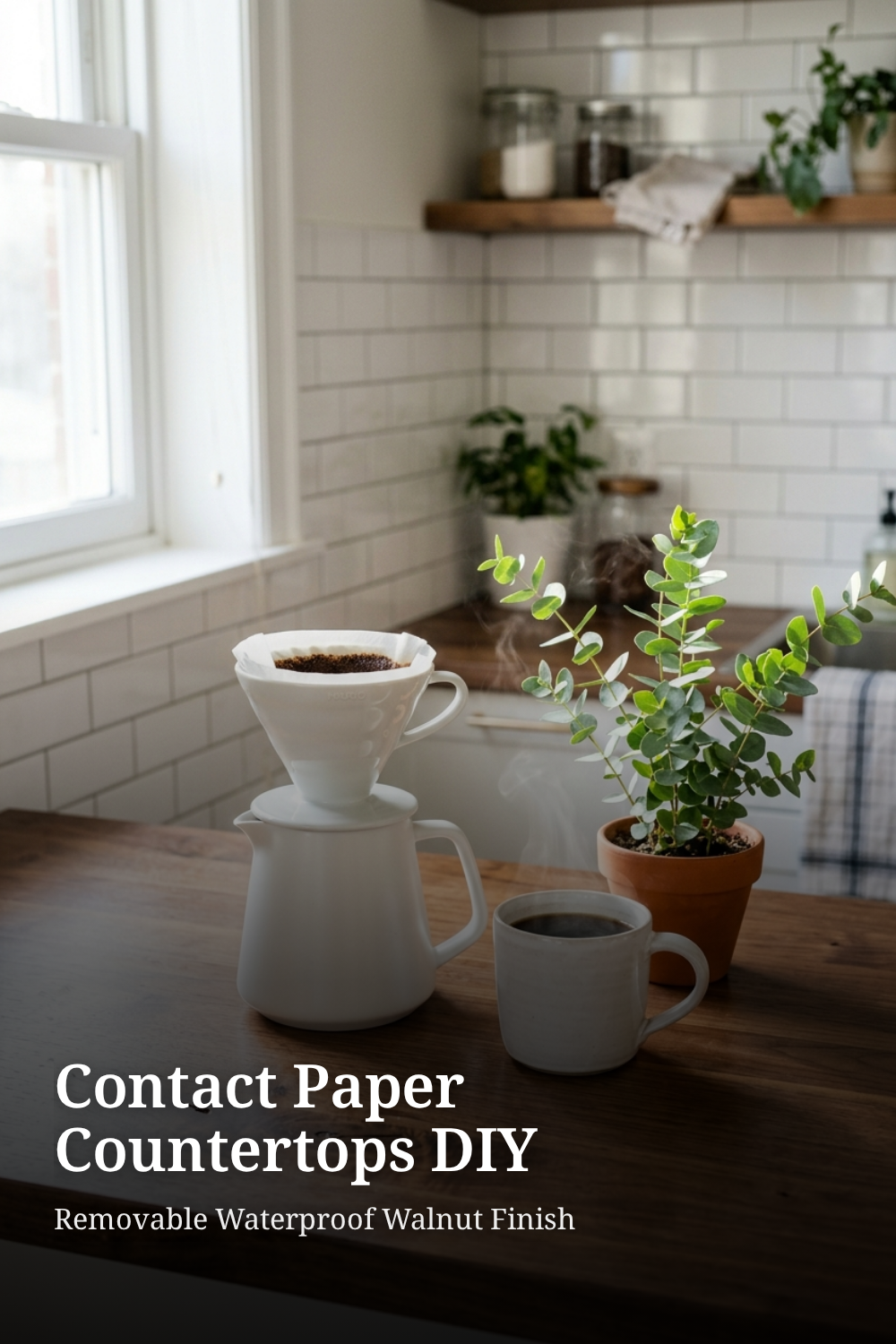
About Contact Paper Countertops

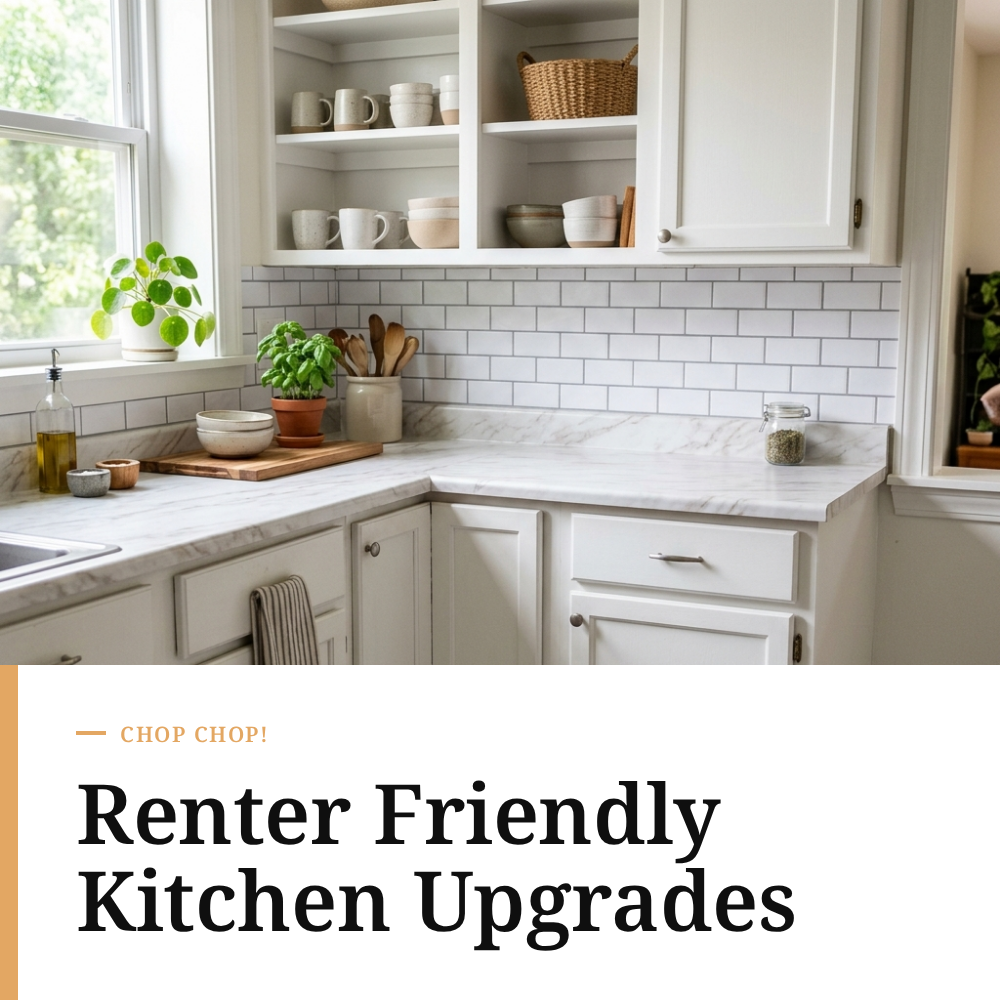
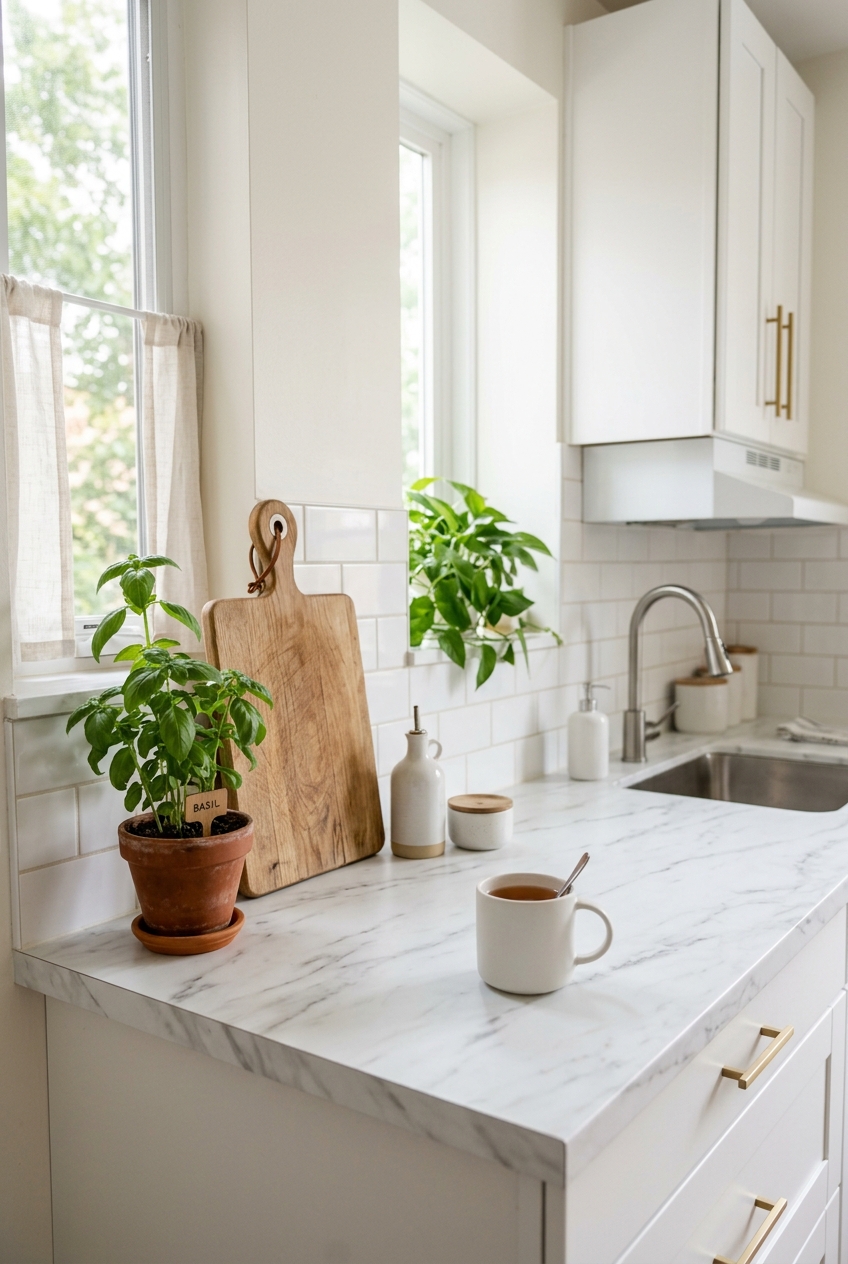
Transforming an outdated apartment kitchen often feels impossible when you are dealing with a strict lease and an ugly laminate surface. Luckily, contact paper countertops are the ultimate secret weapon for a budget kitchen makeover that is completely renter friendly. Whether you are craving a warm walnut wood grain look or dreaming of a classic marble contact paper kitchen, you can completely disguise those dingy surfaces without spending a fortune or risking your security deposit.

The biggest mistake people make with a peel and stick countertop is rushing the preparation process. For a flawless, landlord approved decor finish, you need a perfectly clean, dry surface before you begin unrolling your material. Choosing a high quality, thick vinyl is also essential, as it resists tears and bubbles much better than flimsy alternatives, ensuring your reversible home upgrades look truly high-end and can withstand daily cooking prep.

Common questions

Can you put contact paper over existing laminate countertops?
Yes, applying contact paper over laminate is one of the most popular renter friendly kitchen upgrades. The smooth surface of laminate provides the perfect base for a peel and stick countertop to adhere tightly. Just ensure you thoroughly degrease and dry the existing counter before application, as any lingering grease will prevent the adhesive from bonding properly to the edges.
Is contact paper on kitchen counters safe for heat and water?
Most high-quality vinyl contact paper is water-resistant and can handle everyday splashes around the sink, making it great for apartment kitchen DIY projects. However, it is not heat-proof. You should never place hot pots, pans, or heated styling tools directly on the surface, as it will melt or warp the vinyl. Always use trivets and cutting boards to protect your newly upgraded counters.
How do you remove a peel and stick countertop without leaving sticky residue?
The secret to a clean removal that keeps your security deposit safe is heat. When it is time to move out, use a hairdryer on a low or medium setting to gently warm the contact paper. This softens the adhesive, allowing you to slowly peel the paper back at a forty-five-degree angle. If any minor sticky residue remains, rubbing alcohol or a citrus-based adhesive remover will wipe it right off, leaving the original surface completely undamaged.